Top-Down, Not Back-and-Forth: Cleaning a London Home After the Builders Leave
Builders, decorators and fitters have a knack for leaving a room looking finished and feeling gritty. The paint is dry, the skirting is back on, the new kitchen has handles, and every surface has a pale film that reappears ten minutes after you wipe it. That is not ordinary household dust, and a standard weekly clean will not shift it.
The temptation is to grab a cloth and work around the room. The better approach is to treat the job as a sequence. Think top-down, dry-to-damp, and one room at a time, with floors saved for last. Get that order right and you avoid the classic renovation loop: dust after dust after dust.
Why post-build dust is a different job
Renovation dust is a mix of plaster, brick, timber, silica and general building grit. It is finer than the fluff and crumbs a normal domestic clean deals with, so it floats further and settles in places you forget to look: the top of a wardrobe, the picture rail, the inside of a radiator, the channel of a sash window. Wiping a damp cloth across it too early can turn a dry problem into a smeary one. Plaster dust in particular likes to cling and streak when it is over-wet.
That is why a standard clean often makes things worse. A vacuum without proper filtration can blow fine particles back into the air. A cloth used on a windowsill and then on a skirting board simply moves grit around. And cleaning the floor before the ceiling has been tackled means you will be doing the floor twice.
The order of operations
A good post-renovation clean follows a simple hierarchy: dry removal first, wet cleaning second, detail work third, floors last. Work from the highest point in the room downwards, and from the furthest corner back towards the door. Do not move furniture in until the room has had a final inspection under angled light.
In practical terms, that means ceilings and high mouldings, then walls and window reveals, then skirting boards, radiators and sockets, then internal cupboards and fitted furniture, and finally floors. If several rooms have been affected, work in a circuit so you are not walking through clean rooms with dusty shoes.
Room by room, with period features in mind
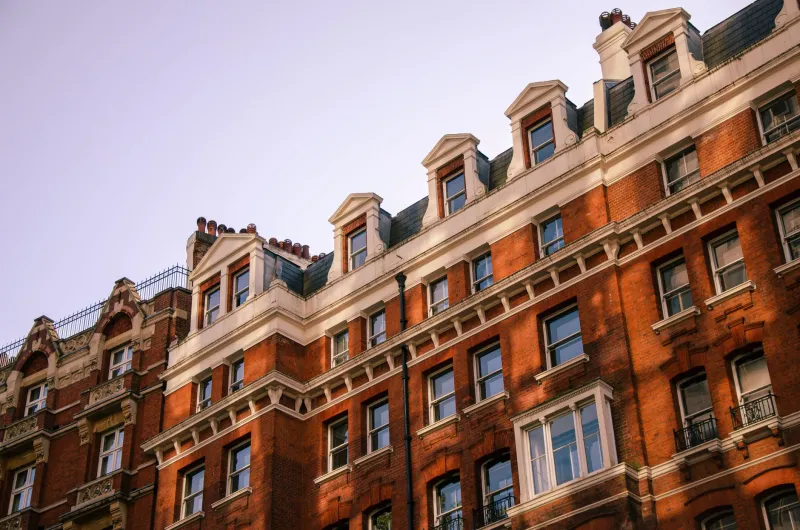
London homes are full of details that need a gentle hand. In a Victorian terrace, the cornicing and ceiling roses may be original and delicate. In a mansion flat, the sash windows have channels and pulleys that collect grit. In a newer apartment, the challenge is often narrow gaps, built-in storage and ventilation grilles.
Start with a HEPA-filtered vacuum and a soft brush attachment for cornices, picture rails and the tops of door frames. Use a dry microfibre cloth on painted walls only if the paint is sound; otherwise, vacuum gently and leave the damp wipe for a later pass. Sash window channels should be vacuumed before any washing, and frames should be dried properly so water does not sit in the joints.
Original floorboards need a light touch. Vacuum first, then use a barely damp mop and dry immediately. Avoid flooding the gaps between boards, especially in older properties where the timber can swell. Stone or marble floors and fire surrounds should be cleaned with a pH-neutral product, not an acidic bathroom spray. Brass and ironwork may need a dry brush and a soft cloth rather than a wet scrub.
Do not forget the unglamorous places: the tops of cupboard doors, the inside of radiators, extractor vents, the recesses around pipework, and the dust that settles behind the toilet cistern. These are the spots that make a room feel clean — or not — long after the main surfaces are done.
Common mistakes that create a second clean
The biggest error is starting at the floor. Dust from ceilings, walls and skirting boards will land on it again, so save the mopping until everything overhead is finished. The second error is over-wetting. Plaster dust and painted surfaces are easier to manage with controlled dampness and frequent cloth changes than with a soaked sponge.
Using the wrong vacuum is another common miss. A household vacuum may cope with crumbs, but fine renovation dust needs decent filtration. Reusing dirty water or the same cloth across several rooms only spreads the problem. And turning the heating up high before the clean can make fine dust circulate, so keep rooms ventilated while you work and warm them afterwards if needed.
Briefing a London cleaning team properly
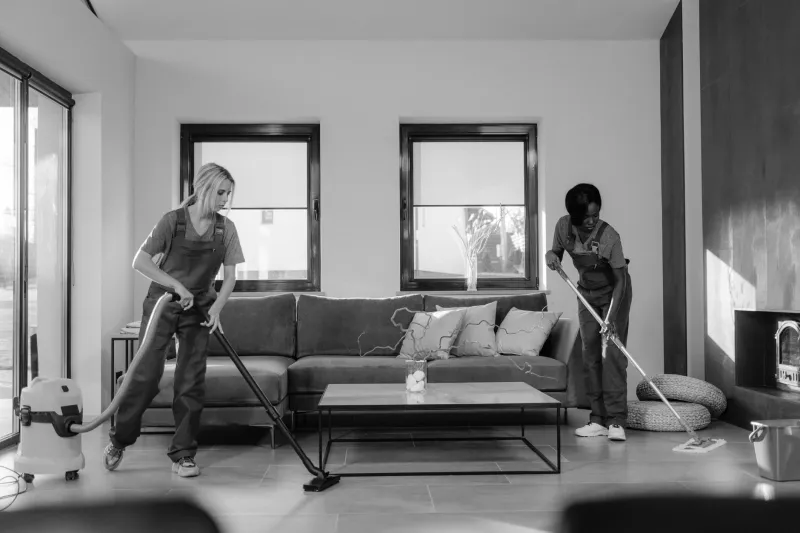
If you are bringing in help, be clear that you need an after-builders clean, not a standard domestic clean. Those are different jobs. A good London cleaning team will ask about the size of the property, the number of rooms, the surfaces involved, whether furniture is already in place, and whether there is any building waste to remove. They should also know about access, parking, lifts, water and electricity.
Show them the period features you want protected. Point out any new paint, untreated wood, stone, brass or delicate wallpaper. Ask what filtration the vacuum has, how cloths are colour-coded, and whether they will work top-down. If the job is in an office, the same principles apply, but the clean may need to happen out of hours and include desks, cables, vents and communal areas.
A written scope is worth the effort. List the rooms, the high-level dusting, the internal cupboards, the radiators, the window reveals and the final floor pass. Agree what happens if dust settles again a few days later. In a renovation, a light follow-up wipe is normal; a full second clean usually means the first one was rushed.
A sensible first 48 hours
On day one, focus on dry removal: ceilings, high corners, vents, radiators and window channels. On day two, do the damp detail work and internal storage, then finish the floors. Inspect with a torch held at an angle — it shows up the film that ordinary light hides. Keep heavy rugs, books and soft furnishings out of the room until the final pass is done.
Expect a little dust to reappear over the next few days. That is not failure; it is the last of it settling. A quick dry-dust of the main surfaces after a week is usually enough. The aim is not to scrub harder than the builders did. It is to clean in the right order, so the dust has nowhere left to hide.