The Hallway Is Not a Lobby: A Mansion-Block Guide to Shared Cleaning
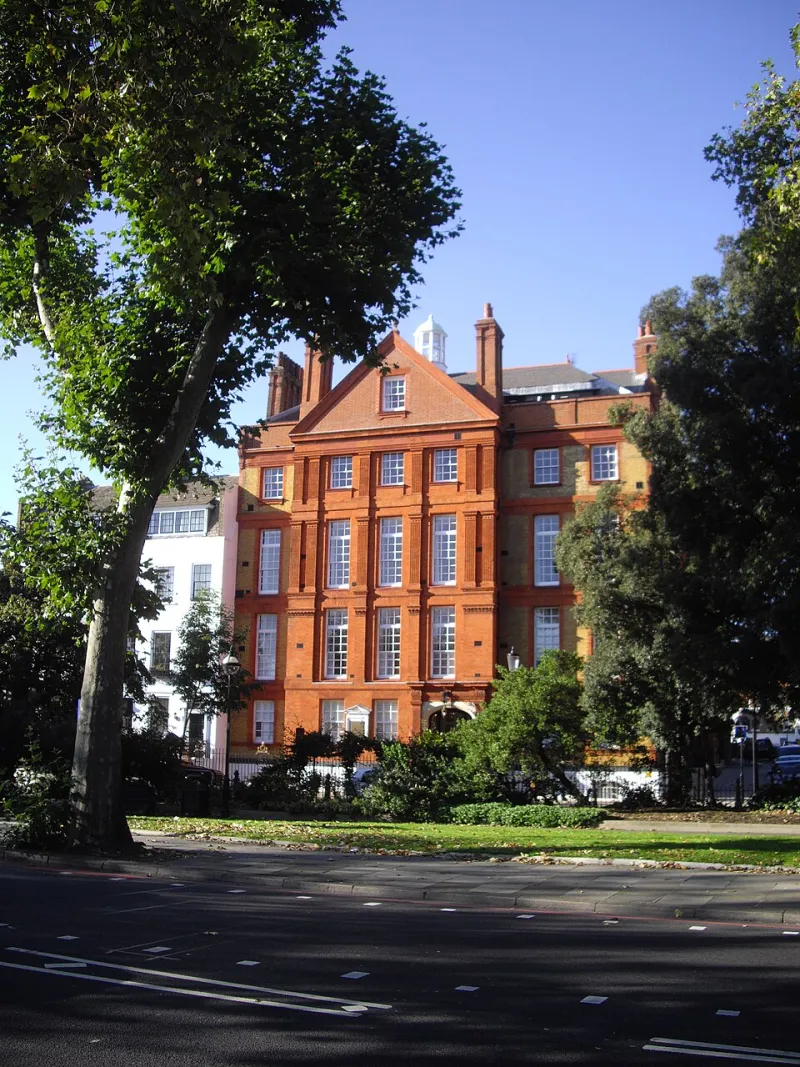
Photo: PAUL FARMER , CC BY-SA 2.0, via Wikimedia Commons
Shared hallways are funny things. In a London mansion block or a converted house, the stairwell is the bit everyone uses and nobody quite owns. It is also the first thing a guest sees, the last thing anyone thinks to clean, and the subject of more group-chat friction than almost any other part of the building. The good news is that the question of who cleans the stairs is usually answerable. You just need to know where to look.
First, work out who owns the problem
If your building has a managing agent, the cleaning of common parts is normally part of the service charge — but only if it is actually in the budget and the schedule. Ask for the current service charge budget and look for lines such as communal cleaning, common parts cleaning or contract cleaning. In a converted house, responsibility may sit with a residents’ management company, an RTM company, or the freeholder, depending on the lease. The lease is the place to start, even if it is not exactly bedtime reading.
Do not assume that because money is collected, a cleaner is booked. Do not assume the opposite either. The useful question is not who deserves blame. It is what has been specified, how often it should happen, and who checks it.
Reading the cleaning schedule without a finance degree
A budget line that says cleaning is not a cleaning schedule. It is a number. What you want is the task list behind it: what gets cleaned, how often, and to what standard. For a typical mansion-block hallway, a reasonable specification might include weekly vacuuming and mopping of floors, wiping handrails and door handles, cleaning internal glass and light switches, and a regular wash of the bin store. High-traffic entrances may need more. A quiet converted house may need less.
Look for frequency and tasks, not just the contractor’s name. If the schedule says common parts weekly but the bin store is not mentioned, ask where bin-store cleaning sits. If the entrance mat is not listed, ask whether it is vacuumed or replaced. These are small details, but they are the difference between a clean hallway and a hallway that merely gets a quick once-over.
What a reasonable standard actually looks like
A shared hallway is not a hotel lobby. It does not need a nightly polish or a scent diffuser. It does need to be safe, dry and free of obvious grime. Floors should not crunch underfoot. Handrails should not feel sticky. Corners and stair edges should not collect dust for months. The bin store should not smell before you open the door. Noticeboards should be tidy enough that fire notices are readable.
Use your phone camera. A dated photo of a dusty corner or a marked skirting board is more useful than a vague complaint. It also helps everyone avoid the classic hallway argument where one resident remembers a spotless entrance from 2019 and another remembers nothing at all. Reasonable is the standard, not perfect.
When there is no contract: the voluntary rota that does not turn into a feud
Some converted houses have no managing agent and no cleaning contract. In that case, residents can organise a simple rota. Keep it small and written down. A fortnightly rota with pairs rather than lone volunteers works well: vacuum and mop the hall, wipe the handrail, clear the immediate entrance, and give the bin area a quick wash. Thirty minutes between two people is usually enough.
Agree what done means before anyone starts. Keep shared supplies in one cupboard and replace them without a committee meeting. Use a group chat for swaps, not shame. If someone cannot do their turn, they swap rather than disappear. The aim is a hallway that stays usable, not a neighbourly competition.
Bikes, boxes and the fire-safety line
This is the part where cleaning becomes safety. Stairwells and shared hallways are escape routes. Bikes, prams, cardboard boxes, recycling bags and old furniture can block them, catch a foot, or turn a smoky corridor into a real problem. They also make cleaning harder and hide the mess underneath.
If your building has a bike store, use it. If it does not, ask the managing agent whether one can be provided or whether a designated area can be agreed. A polite note to a neighbour is fine. A passive-aggressive sign is not. If items keep returning to the stairs, raise it with the agent or the residents’ company and refer to the building’s fire risk assessment. This is not fussiness. It is the difference between a shared hallway and a shared hazard.
The template email to send when the cleaning stops
Subject: Communal cleaning — [building name] — request for schedule and inspection
Hi [name],
I live at [flat] in [building]. Over the past [few weeks], several residents have noticed that the communal hallway, stairwell and bin store have not been cleaned to the usual standard. Could you confirm the current cleaning schedule, including tasks and frequency, whether the contractor has attended recently, and when the next inspection is due? I have attached dated photos from [date]. If there is a temporary issue, a quick update would be appreciated.
Thanks, [Your name] [Flat number]
Keep it short, factual and dated. That usually gets a faster response than a long message about the state of the stairs. And if the answer is that there is no contract, at least you now know — which means residents can decide whether to organise a rota, ask for a budget change, or simply stop expecting a cleaner who was never booked.