Whiskers, Wet Noses and the Mop Bucket: Cleaning a Flat That a Pet Also Lives In
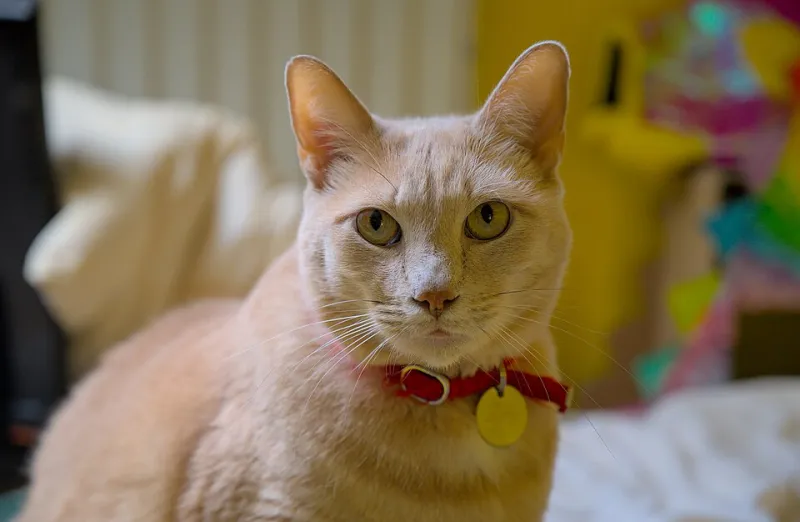
Photo: Trougnouf (Benoit Brummer), CC BY 4.0, via Wikimedia Commons
A one-bedroom London flat with a cat in it is really a two-resident flat where one of the residents has no concept of a doormat, sheds continuously, and will lick the floor later. Cleaning it is not the same job as cleaning a pet-free flat. It's not harder, exactly — but the order of operations changes, and a handful of very common products become a bad idea.
Here's how we approach a pet home, whether that's a spaniel in a garden flat in Wandsworth or a house rabbit in a top-floor conversion in Hackney.
Hair first, always. Not spray first.
The single biggest mistake is reaching for the mop too early. Wet pet hair does not lift — it smears, pills, and dries into a film on hard floors.
Start dry. A rubber squeegee pulled across carpet or rug is startlingly effective. Rubber gloves do the same job on upholstery. A vacuum with a proper HEPA filter (bagged is kinder to allergy sufferers) picks up what's loosened, and a dry microfibre pass on skirting collects the fine undercoat the vacuum leaves behind. Only then does the floor get wet.
Ingredients worth keeping out of the flat
This is the part most people get wrong, because 'natural' and 'pet-safe' get used interchangeably and they are not the same thing.
- Phenols and pine oil. Often in 'pine fresh' disinfectants. Cats metabolise these poorly, and they lick their paws.
- Benzalkonium chloride. Appears in a lot of wipes marketed at pet owners. It's an irritant; keep animals off the surface until it's bone dry.
- Essential oils in concentration. Tea tree, eucalyptus, peppermint, citrus (d-limonene), pine and lavender are all troublesome for cats in particular. Diffusers count. So do plug-ins.
- Bleach plus ammonia, or bleach plus acid. Never together. Individually fine on hard surfaces when diluted and rinsed, but not in a litter tray while the cat is waiting to use it.
- Anything that leaves a residue. Floor cleaners that feel slightly tacky after drying are being licked off paws a day later. Rinse or use less.
A simple rule: keep pets out of the room until surfaces are dry, ventilate while you work, and treat 'essential oil blend' on a label as a red flag rather than a reassurance.
Also worth noting while the mop is out: slug pellets, ant bait and rodenticide placed behind the washing machine are a more common cause of pet poisoning than any cleaning spray.
Room by room
Hallway. Paw tracks and the hair that gathers along the skirting. Shake the pet bed outside or over the balcony, never in the hallway — that's how a 20-minute task becomes a two-hour one. Wash bed covers on a hot cycle monthly.
Kitchen. Wipe under and around the food and water bowls — dried saliva and kibble dust build up silently. Keep a lidded bin. In the corner where bowls sit, floors get greasy and need a proper degrease rather than a wipe.
Living room. Vacuum upholstery with the tool attachment, not the floor head. For odour, sprinkle bicarbonate of soda on the sofa and rugs, leave 20 minutes, vacuum thoroughly. Removable covers should actually be removed and washed — and dried fully before they go back on, because a damp cushion smells worse than a dog.
Bedroom. If the cat sleeps on the bed, wash bedding at 60°C where the fabric allows, vacuum the mattress and air the room properly. Accidents need an enzyme cleaner rather than a detergent, or the smell stays and the cat returns to the same spot.
Bathroom. The litter tray is its own job: full change, hot water, unscented soap, dried completely before refilling. Scoop twice a day. And keep the tray away from the food bowl — nobody enjoys eating next to a toilet, including your cat.
Balcony. Fox and pigeon mess, plus whatever the dog brings back on its paws. Gloves on, disposable cloths, bag it, bin it, disinfect, let it dry before paws return.
Scheduling around a nervous animal
Ask the client three questions before the first visit: where does the pet hide, does it bolt for the front door, and will anyone be home?
A cleaning visit involves propped doors, buckets of water, a vacuum on full power and a stranger who smells of six other houses. For a nervous cat that's a stressful afternoon. The practical fixes are simple: a designated safe room with the door closed, cleaned first or last (and not at all if the pet is settled in there), vacuuming started in a distant room so the noise builds gradually, and no bucket left unattended. Tell the cleaner the pet's name, temperament and whether it bites when startled — this is not overfamiliar, it's basic safety.
A weekly routine that holds up
- Twice a week: dry sweep and vacuum of high-traffic routes, scoop the litter tray.
- Weekly: mop hard floors with a rinsed finish, wash bowls and mats, sofa hair pass, empty and wipe the bin.
- Monthly: upholstery deep vacuum, bicarbonate treatment on soft furnishings, full litter tray change and scrub, wash the pet bed and any crate liners.
- Quarterly: curtains, under the bed, behind the sofa, washing machine hot service cycle, and a proper look at the seal around the balcony door, where hair and grit collect.
It's not a punishing schedule. It's just sequenced so that hair is removed before anything gets wet, and so that the products in the cupboard are ones you'd be relaxed about a cat walking through.