Key Safes, Fobs and Front Desks: A Practical London Guide to Cleaner Access
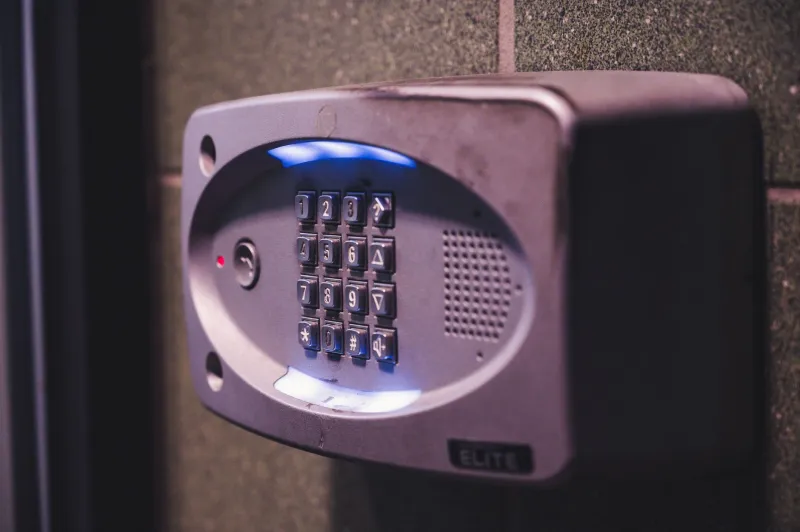
There's a moment in every cleaning booking when someone has to answer a deceptively simple question: how does the cleaner actually get in? It sounds like a two-line email. In practice, it's where deposits get chipped, insurance gets voided and a perfectly nice relationship with your building's concierge goes slightly frosty.
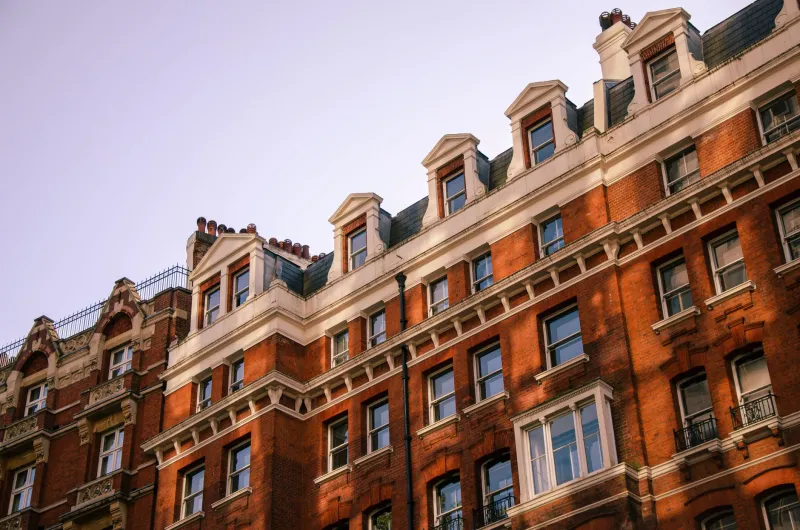
London makes this harder than most places. You might be in a Victorian conversion in Hackney with a sticky entryphone, a portered mansion block in Marylebone, or a serviced office in Croydon where reception changes staff every six weeks. Each one has its own unwritten rules. Here's how to pick an access method that works, and put it in writing before the first visit.
Start With the Paperwork, Not the Key Safe
Before you buy anything with a combination dial, read the bit of your tenancy agreement or lease that mentions keys. Most standard ASTs say something like "the tenant must not copy keys or change locks without the landlord's written consent." Some add a clause about who may be given access and for what purpose.
If you rent, a quick email to your letting agent saying "I'd like my cleaner to have access on Tuesdays, here's how" is worth more than you'd think. It creates a paper trail, and if your landlord later queries a missing key, you're covered. If you own a flat, check the lease — many prohibit keys being left in communal areas, and a few explicitly ban key safes on exterior walls.
For offices, the equivalent is your facilities or building management team. They'll want to know who's coming in, when, and whether they need to be escorted. Ask early. Turning up with a new contractor and no notice is the fastest way to get someone's back up.
Key Safes: Handy, But Not Always Welcome
A key safe bolted next to the front door is the classic solution, and for good reason: it's cheap, it doesn't rely on batteries, and your cleaner doesn't need to be tech-savvy. But there are caveats.
- Insurance. Some home insurers treat an externally mounted key safe as a security risk unless it's a police-approved model (look for Sold Secure or LPS 1175 ratings). Check before you drill.
- Where you put it. Out of sight of the street is better. So is somewhere that doesn't advertise "spare key here" to every delivery driver.
- Who else knows the code. Change it when the cleaner changes. Don't reuse the code your sister has for the cat.
- Listed buildings and mansion blocks. Freeholders can be funny about anything fixed to a communal wall. Ask first, or you'll be the person who caused a Section 20 consultation.
If you're a renter, a key safe is often a no-go without consent. A locked internal cupboard or a key handover in person may be the safer route.
Smart Locks: Brilliant Until the Battery Dies
Smart locks are genuinely useful for cleaner access. You can issue a time-limited code, revoke it instantly, and see when the door was opened. For offices with multiple contractors, they're close to essential.
But they need a backup plan. Batteries die at the worst moment. Wi-Fi drops. The app updates itself at 8am on a Tuesday. Always pair a smart lock with a physical key held by someone sensible — a neighbour, a building manager, or the cleaner themselves — and make sure your cleaner knows what to do if the code fails. Also check whether your lock logs shared codes. If it does, don't use your personal code; issue a dedicated one.
One more thing: don't hand out the master code for the building's front door. Ever. That's how a small access favour turns into a security review.
Concierge Handovers and Mansion-Block Etiquette
In portered buildings, the front desk is your access solution and your reputation manager. A few ground rules keep everyone happy:
- Introduce your cleaner by name. Porters are more cooperative when they know who's coming.
- Leave written authorisation. A short note on headed paper — or even a polite email the building manager can print — saying "X is authorised to enter flat Y on these dates" saves a lot of awkwardness.
- Don't assume they'll hold keys. Many buildings won't, for liability reasons. Ask.
- Respect their hours. A 7am clean might be fine for you but a nightmare for a concierge doing a handover at shift change.
- Say thank you. Porters remember.
If your building has a key fob system, ask whether visitor fobs are available. Some charge a deposit; some require a signed log. Either is better than passing your own fob around.
Fobs, Fobs, Fobs
Fobs are the quiet troublemakers. They're easy to copy in theory, but most building management systems log every use, and some are uniquely coded. If you give your cleaner your fob and something goes missing, you may be liable under your lease.
For offices, ask the building manager about contractor fobs or a sign-in process. Many London office buildings now require contractors to be escorted or to wear a visitor badge — so your cleaner may need to arrive at a set time, not whenever suits.
If you must hand over a fob, put it in writing: who has it, when it must be returned, and what happens if it's lost. A £50 replacement fee is annoying; a lost fob that's been cloned is a genuine problem.
Offices: A Different Set of Hurdles
Commercial access adds layers. You've got alarm codes, out-of-hours permits, fire safety inductions and sometimes a landlord who wants a copy of your cleaner's insurance certificate before they'll let anyone through the door.
Sort this out in week one. Decide who holds the alarm code (and rotate it when staff leave), confirm whether your cleaner needs a permit to work outside normal hours, and check whether your building has a loading bay or goods lift booking system. None of this is glamorous, but it's the difference between a clean office and a cleaner standing in reception at 7pm explaining themselves to a security guard.
What to Put in Writing Before Day One
Whether it's a flat or an office, send a short access brief. It doesn't need to be a legal document. It needs to be clear.
- Full address, including any building name and entrance (not all of them are obvious).
- Which door, which buzzer, which floor.
- Access method: key safe code, smart lock code, fob, concierge handover or in-person.
- Alarm instructions, including where the panel is and what not to touch.
- Any rooms that are off-limits.
- Who to call if something goes wrong — and who not to call.
- What to do with keys at the end of the clean.
- Your policy on lost keys or fobs (replace at cost, report immediately, etc.).
Keep a copy yourself. If you're a tenant, forward it to your letting agent. If you're an office manager, cc facilities.
A Short Handover Checklist
Before the first visit, confirm:
- Your tenancy or lease allows the access method you've chosen.
- Your insurer is happy with any external key safe.
- Your building manager or landlord knows a cleaner is coming.
- Your cleaner has a backup way in (physical key or a phone number).
- Codes will be changed when the cleaner changes.
- Everything above is in writing, with dates.
It's a twenty-minute job that saves a lot of explaining later. And it means your cleaner spends their time cleaning, not standing on the doorstep wondering which buzzer is yours.